Washington Wedding Trends Worth Rethinking
From budgets and inspiration to seating, guest experience and wedding-day presence, Washington wedding professionals share which trends may be worth reconsidering.
October 4, 2026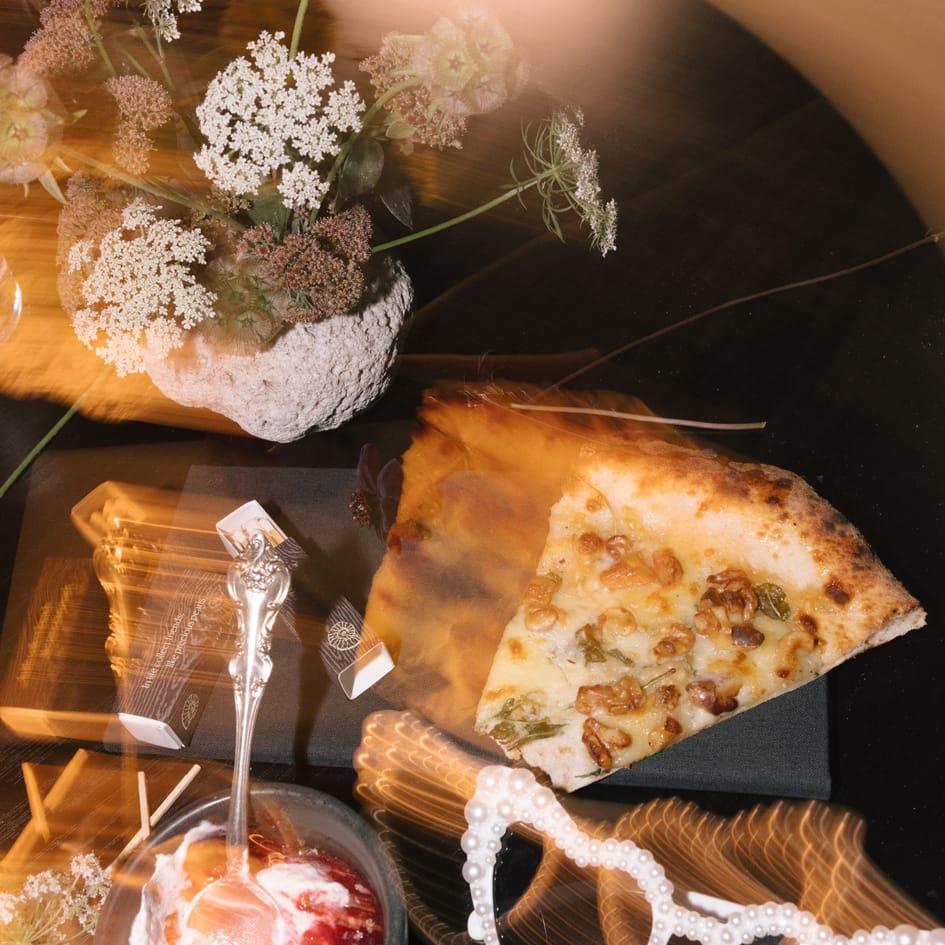
Wedding trends can spark great ideas, but they can also make certain choices feel like requirements. The most personal celebrations often happen when couples use inspiration as a starting point, then decide what actually makes sense for their priorities, guests and vision.
We asked Washington wedding professionals which traditions and trends they’d encourage couples to reconsider, and what they suggest doing instead.
Build a Budget Around What Matters to You
Wedding budget templates can be useful starting points, but Taylor Rychener of Bixby + Pine reminds couples that suggested percentages are guidelines, not rules. “Weddings can be full of what feel like rules, which can be so helpful if you use them as a guideline or template, but when it comes to your wedding day, it's always important to plan and curate a day with a team of vendors that honors your vision,” Rychener says.
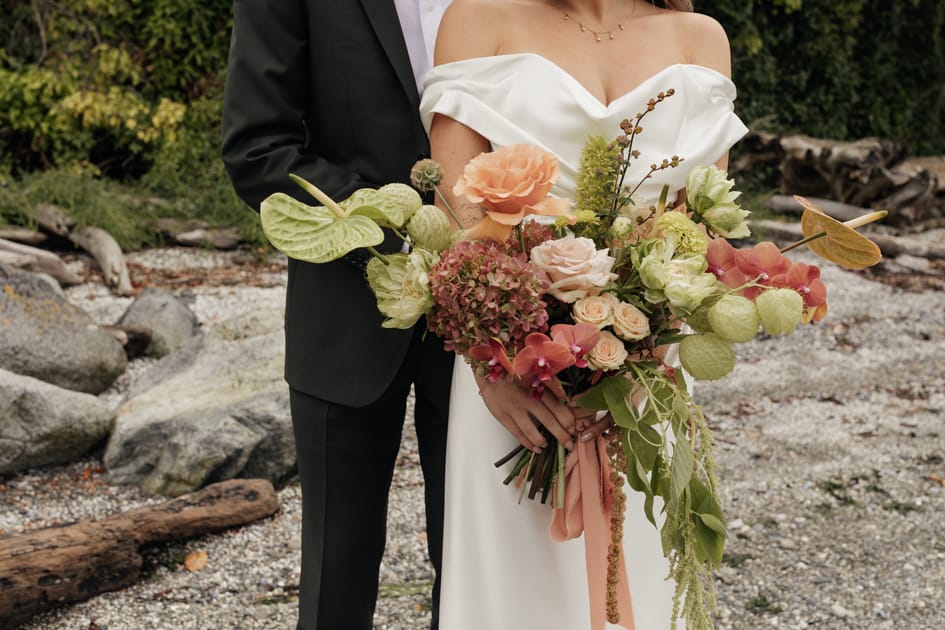
A standard budget might recommend spending around 10 percent on flowers, for example, but that allocation does not have to work for every couple. If floral design is one of the elements they care about most, Rychener encourages them to adjust accordingly. The goal is to let the budget reflect what matters most rather than forcing every celebration into the same formula.
Welcome Guests Instead of Sending Them to a Sign
For Reneille Velez, Founder of GIAN, the traditional poster-board seating chart is one reception detail worth reconsidering. “It's the opening moment of your reception, and we're spending it on 150 people crowding a sign to squint for their names before a single person has welcomed them,” Velez says.
Instead, she suggests borrowing from the hospitality of a great restaurant. A host can greet guests by name and direct them to their tables while handling last-minute changes quietly behind the scenes. Escort cards can also become keepsakes through details such as pressed flowers, wax seals or small objects tied into the wedding design. Another option is a sealed envelope containing the guest's table assignment and a short personal note from the couple. “Being received at the door is the oldest form of hospitality there is,” Velez says.
Make the Invitation Tell Your Story
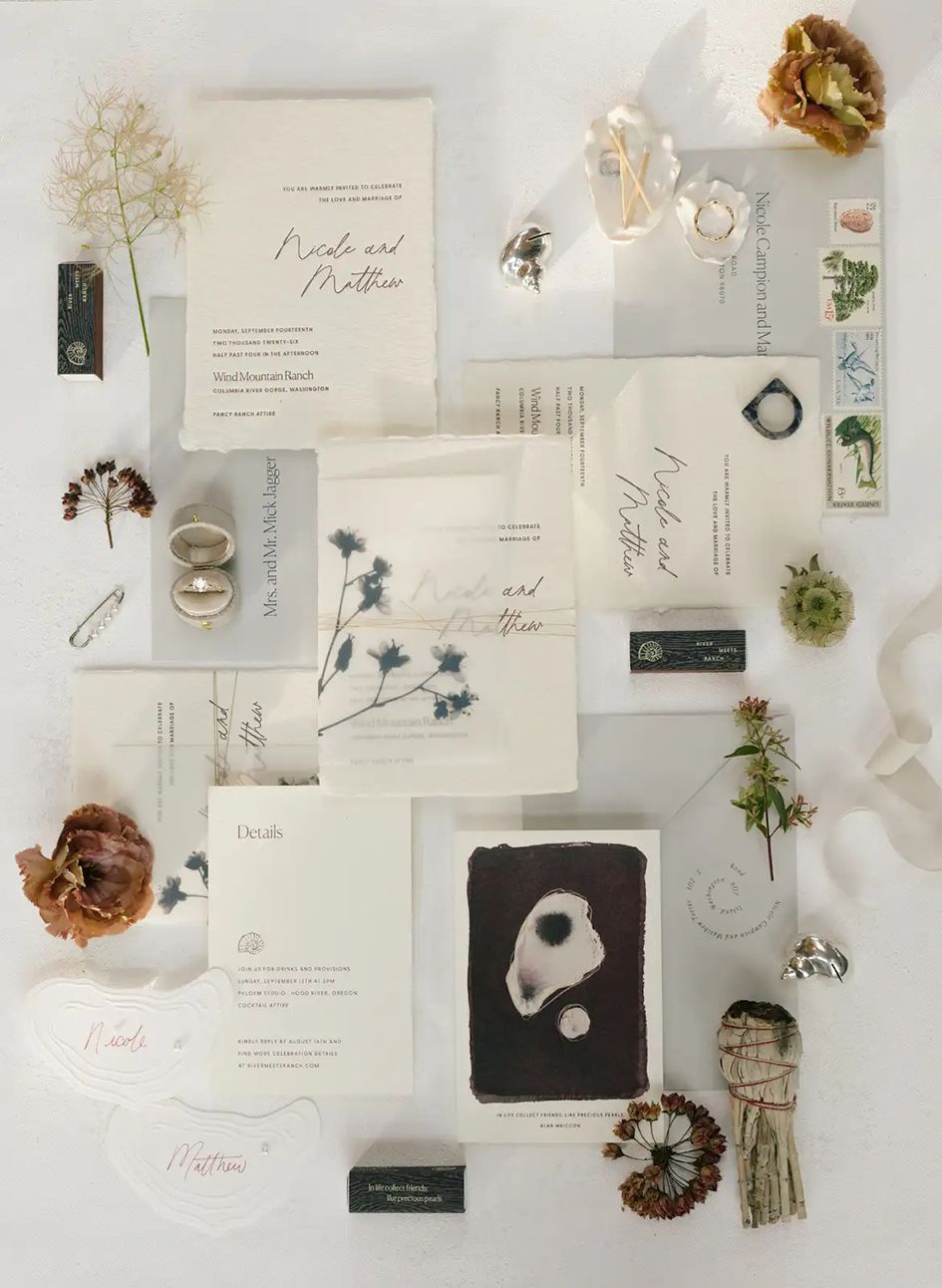
Pinterest and wedding blogs offer endless stationery inspiration, but Taylor Rychener of Bixby + Pine would love to see more couples create invitations that feel unmistakably their own. “We see tons of beautiful invitation inspiration on Pinterest and in the blogs, but we don't see enough invitations that are authentic to the couple,” Rychener says.
That might mean a hand-drawn illustration of the venue, subtle references to where the couple met, meaningful postage or a quote that becomes part of the larger wedding design. Rather than reproducing an invitation they have already seen, couples can treat stationery as another opportunity to tell their story. “This is an opportunity to be creative and create a piece of art that is reflective of your love story.”
Protect Time to Actually Experience the Wedding
Danae Johnsen, Wedding and Event Planning Manager at Hyatt Regency Lake Washington, would love couples to reconsider how much of the wedding day needs to be created for immediate social media content. “A wedding is not a social media campaign,” Johnsen says. “It's one of the most important decisions you'll ever make: a public commitment to your partner in the presence of the people you love most.”
Johnsen stresses that her concern is not a criticism of wedding content creators themselves, who she notes are skilled professionals responding to a demand. Instead, she questions the growing expectation that every meaningful moment needs to be documented and shared immediately. Couples who already have professional photography and videography may want to consider how important same-day content is to them and whether it adds to or distracts from their experience. “Not every moment needs an audience,” she says. “The most important thing you should leave your wedding with isn't content, it's a spouse.”
Use Inspiration Without Recreating Someone Else’s Wedding
A beautiful wedding photo can help couples identify what they love, but Alicia Loft of Grand Event Rentals encourages them to focus on the feeling behind the image rather than reproducing every detail. “Inspiration photos are a wonderful place to start, but couples don’t necessarily need to duplicate every detail to achieve the look and feeling they love,” Loft says.
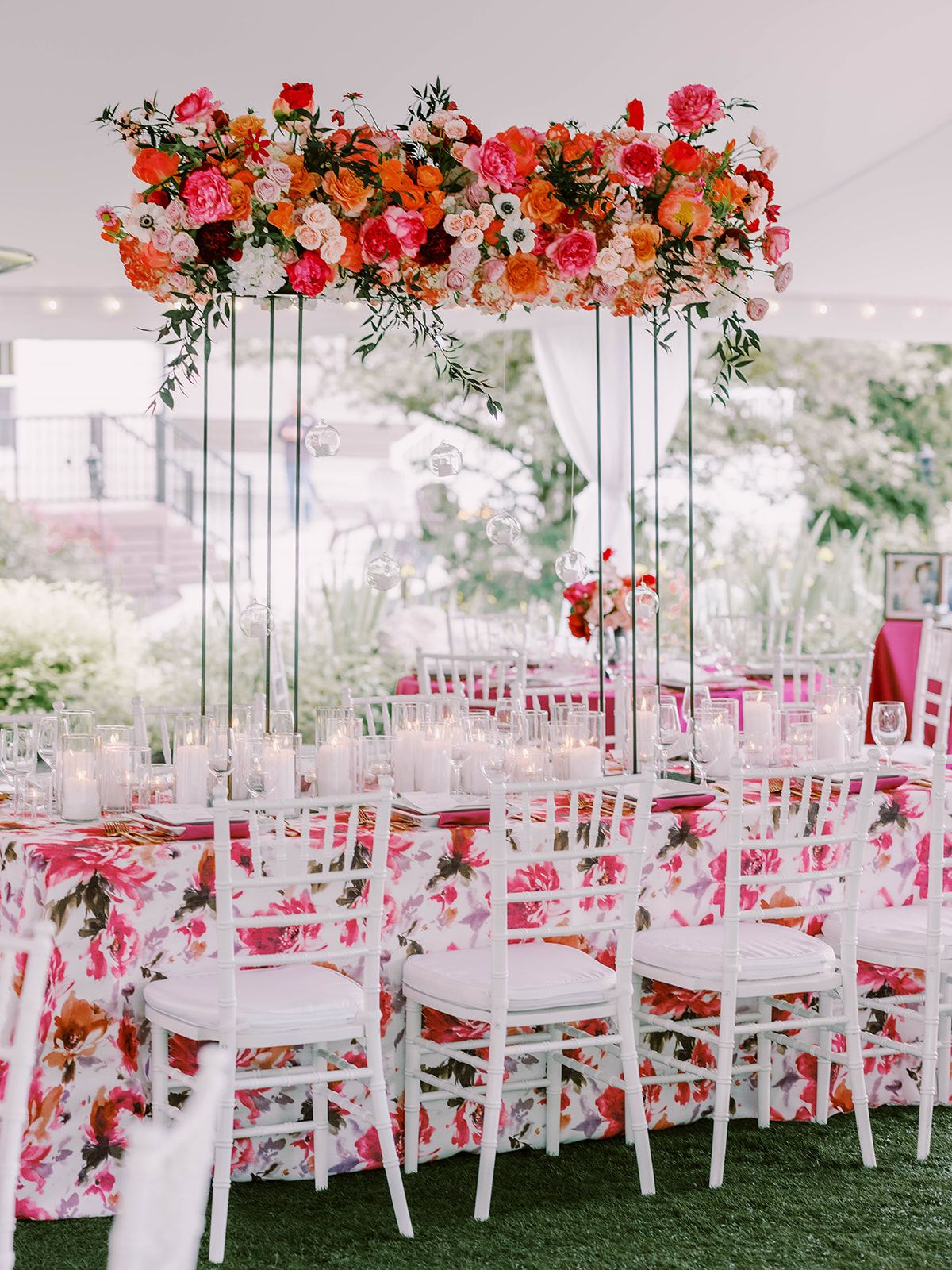
Perhaps it is the intimate atmosphere, classic elegance or styling of the tables that caught their attention rather than the exact linens, chairs or rentals. Loft recommends considering the couple's own venue, guest count and aesthetic when translating inspiration into a design. “The goal isn’t to recreate someone else’s wedding. It’s to create a celebration that captures the feeling you loved while making it uniquely your own.”
Keep the Wedding Party Intentional
For Photographer Sarah Anne Thompson, bigger is not always better when it comes to the wedding party. “Somewhere along the way, ‘your people’ turned into a list of 12 to 16 names, and with it came coordinated gifts, matching bouquets and boutonnieres, and a budget line that quietly balloons before anyone even notices,” Thompson says.
A large group can also add logistical pressure to hair, makeup, formalwear, photography and the wedding-day timeline. Thompson has found that some of the most relaxed wedding mornings she photographs involve smaller wedding parties or none at all. Her advice is to focus on the people whose presence truly matters rather than the number couples feel obligated to include. “Your wedding party should be the handful of people you'd call at 2am, not a reflection of who you feel obligated to include.”
Treat the Menu Like a Main Event
For Jordan Hamilton of Bixby + Pine, wedding food deserves more consideration than simply checking dinner off the planning list. “Let's rethink wedding food as a whole because we've all been to a wedding where the food was just subpar,” Hamilton says. “Whatever it is, it's a buzz kill and something guests will remember.”
That does not mean dinner needs to be formal or extravagant. Hamilton encourages couples to focus on food that is simply very good and, when possible, a little unexpected. At one recent wedding, intricate salads were paired with wood-fired pizza to create an approachable but memorable meal. “Treat your wedding menu as if it's one of the most important pieces of the night,” she says.

Plan for the People in the Room
For Jennifer Lazon, Wedding Sales Manager at Suncadia Resort, beautiful imagery matters, but couples should also think about how their wedding will actually feel to the people attending it. “One wedding trend I’d love to see couples rethink is designing too much of the wedding for the photograph instead of for the person standing in the room,” Lazon says.
Guests notice whether they can hear the ceremony, understand where to go, finish a conversation and move comfortably through dinner and the reception. Some of the most successful planning decisions may never become the photograph saved to Pinterest, but they can shape how cared for guests feel throughout the day. Lazon encourages couples to ask another question alongside “How will this look?”: “How will this feel to the people who are actually there?”
Loosen Up the Seating Plan
Seating charts can quickly become one of the most complicated pieces of reception planning, but Madison Henrie of Seattle Wedding Show says couples may not need to control every seat quite so closely. “Couples often agonize over keeping certain guests apart or grouping people by how well they know each other, but an open or loose seating arrangement can actually spark unexpected connections and create some of the warmest, most memorable moments of the entire celebration,” Henrie says.
Giving guests a little more flexibility can take some pressure off the planning process while allowing the reception to feel more organic once everyone is in the room.
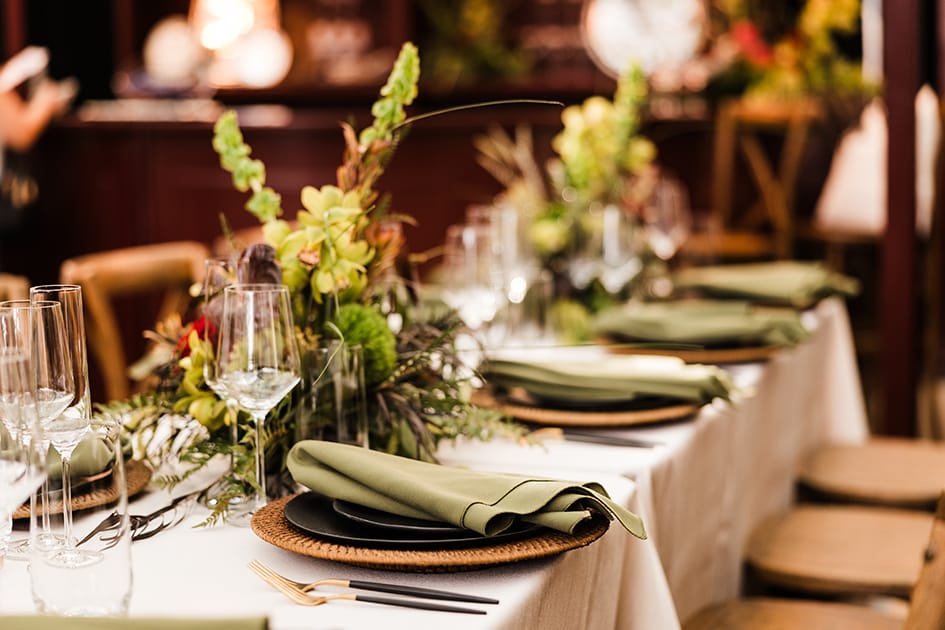
Ultimately, rethinking a wedding trend does not mean rejecting what is popular or traditional. It means using those ideas as inspiration, then shaping the celebration around the people, priorities and experiences that actually matter to you.